It’s been six months since Mum died. This post is less about Karti Kebabs than it is about the weeks leading up to her death…
We all thought her time was up this time last year, in July 2016. There were late night hospital dashes, phone calls to family and friends and difficult questions for consultants. Adrian got the vibe from hospital staff that her heart was not strong enough to survive the mystery infection she was suffering from. The consultants confirmed her heart was very weak and advised against resuscitating as ‘bouncing up and down’ on her chest wouldn’t be much fun for her. He couldn’t give us any definitive answers. We gathered. We had the conversation. She knew it was bad.
Then all of a sudden she got her appetite back. After about 8 weeks of hospital food (which she rather liked by the way) she had a hankering for chow mein, dosas and rice. The hospital said it was fine to bring in food so for a couple of weeks Dad brought in takeaways. She thrived!
She couldn’t come with us to Poland to visit her new granddaughter Baby Lara but she was out of the danger zone so we felt like we could go. Mum made the trip a month before when Lara was born, even though she was at her frailest. It was the beginning of her decline.
Christmas 2016 came and went too quickly. Mum was glad to have the family together but she was visibly altered. She’d shrunk quite considerably and her head seemed too heavy for her frame. She sat looking quite comfortable however, sitting propped up on her chair while we made a fuss over Lara and Pip. Christmas was for them really. Paul had come especially to spend time with Mum and it was the first time in a long time that we were all together. It won’t go down in history as the best Griffiths Christmas ever but it served its purpose.
By the first weekend of January she could barely sit without excruciating pain. Her chest plate had been pushed forward by her crumbling spine. After years of dialysis, her bones were losing their strength. She went into hospital to be made more comfortable, which meant enough morphine to impress an athlete. Dad used the time creatively and had new doors put in.
It was my birthday on Friday 13th of January and normally they phone to ‘wish’ me but no call came. Bloody cheek… We visited that weekend and the sight of her was a proper shock. She was still her normal self, felt okay thanks to the Fentanyl (before it was famous), and was even having a few cheeky vapes. Apparently it was comforting. But she could barely lift her head. Her chest was distended and served as a useful shelf for her drooping head when she got tired. On the Sunday she dropped the bombshell that she didn’t want to carry on dialysing as sitting tied to a machine all day was too painful. She didn’t want to be in pain any more. As though we were discussing whether to go on holiday or not, I left her that evening agreeing that she wouldn’t make any decisions until the following weekend when we could all be together.
At school the next day, Dad phoned to say that she hadn’t gone to dialysis. That meant only one thing. The beginning of the end.
I got to the hospital that night and she looked pretty comfortable, as before. The only difference was the previously optimistic consultant now referring to her treatment as ‘palliative’ care. The only treatment that recognises the end of life as the objective.
I was surprised she was not in her own room, but with hindsight, this made it more normal. There was talk of hospices but there was also talk of bed shortages. I don’t think any of us cared. She welcomed visitors, chatted nonchalantly and even said things like, ‘this is fun! Maybe I’ll change my mind.’ How we laughed.
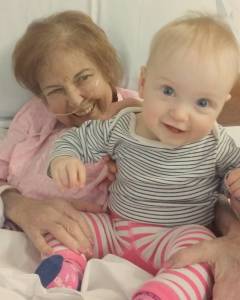
The week passed quietly. Friends and family paid their respects. It sounds conceited but I enjoyed a pleasant feeling of role reversal – here was my mother in a hospital bed, cuched up like a swaddled baby and here was I, sitting nearby, watching her breathing while she slept. It’s the same anxiety you have with a newborn and it’s the same feeling of relief when you see the chest rise and fall eventually. She would rouse herself like a baby too. Eyes open blearily, furtive glances at the strangers sitting round – a quick identity check then back to sleep contentedly. During more wakeful hours she would shift uneasily until finding a new comfortable position. She would say she felt okay. She wondered when it would start to feel strange. You could work out when a new dose of Oxycodone was needed rather like baby’s next feed. As babies thrive with each new day, Mum became sleepier. Her train of thought was disorganised and she’d make funny slips in conversation, which she could hear and would amuse us, herself included. Her sense of humour never failed her.
On Saturday 21st January, I remember how beautiful the sunrise was. There is a playing field beyond the carpark outside her window and I would walk around it while she had her morning wash and change. It was a quiet day. We were expecting Aunty Smita and cousins Shirley and Anthony in the afternoon. She enjoyed sitting in her comfy chair during the morning and would receive her visitors looking her best. There was something lazy and summery about the ward. Even the bustle of the lunch hour was subdued. She always ate her lunch, even if though she had no appetite and could barely lift her head. This time it was cod in parsley butter and mashed potatoes followed by rice pudding. We shared it companionably – even the smallest portion was a bit too much. Lucky me!
After lunch, the ward dozed and the nurses drifted. At 2.40pm Mum decided she needed the loo and was trying to wriggle herself off the bed. We laughed about how pathetic she was (that’s the kind of bants that happens in hospitals). When I asked how she was feeling she said, ‘it’s so hard to explain…’. The nurse and a ‘healthcare assistant’ (who does everything the nurse does but wears different clothes) helped ease her off the bed. Even though I normally leave them to it, I stayed, partly in order to hold her head up and partly to help her back into bed (we had a system based on pivoting and sliding). All was well until the moment her head was back on the pillow. I saw a look pass her face. It was a look you see in the movies and it was the moment in the film when the assembled folks give each other another meaningful look. The healthcare assistant stood beside me with an arm around my waist as I put my head next to Mum’s. Her breathing shallowed and stopped. The pulse in her neck was strong. We watched it ebb. We marvelled at how strong it was. It became fainter and fainter and finally faded away.
I’m not sure how long we stood like that but eventually the staff left me alone and I made the calls. I put things in a bag. Aunty Smita, Shirley and Anthony arrived and paid their respects. Before long, it was time for me to go. The sunset as I walked across the playing field was remarkable. The hymn “I Watch the Sunset” came to mind and I was overcome with a confusing sense of birth and mortality.

I remember thinking how peaceful the end was and so unexpectedly clean and quiet. The opposite of labour yet somehow the same. I had the strangest feeling that she was present at my birth and I was present at hers. I remembered her saying that when her dad, Papa, died, she was holding his head and heard the breath leaving his body in one long exhalation like a whisper.
For a long time I have woken in the night and looked around to check if Mum’s still breathing. It’s not a pleasant feeling but at the same time it’s a reminder that she is at peace and that is comforting.
For the funeral reception I wanted to make Mum’s famous kebabs but was confounded by the fact that no recipe existed. Luckily I had time to grill her for recipes (apologies for unfortunate image there) and this is what she said: ‘You’ve watched me. Just judge it nicely.’

Karti Kebabs
Makes 20 (I actually could only get between 16-18 kebabs from one block of pastry at first but got more with practice)
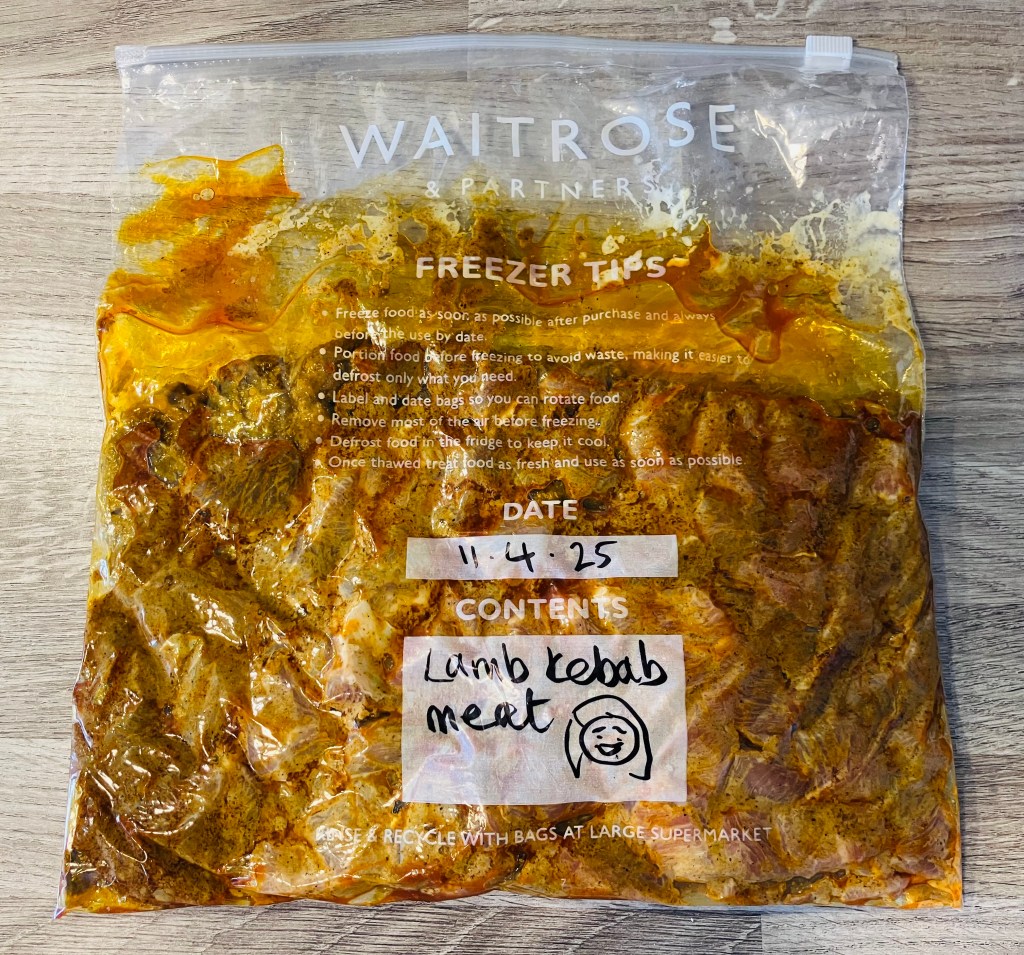
For the meat (combine ingredients thoroughly and marinate overnight):
500g diced pork (I prefer pork strips that you can dice into really small pieces – the size of dice in fact)
2 tablespoonsish Pataks Madras Kebab Paste
1 tablespoonish natural yoghurt (too much and your cooked meat will be too watery)
For the rotis:
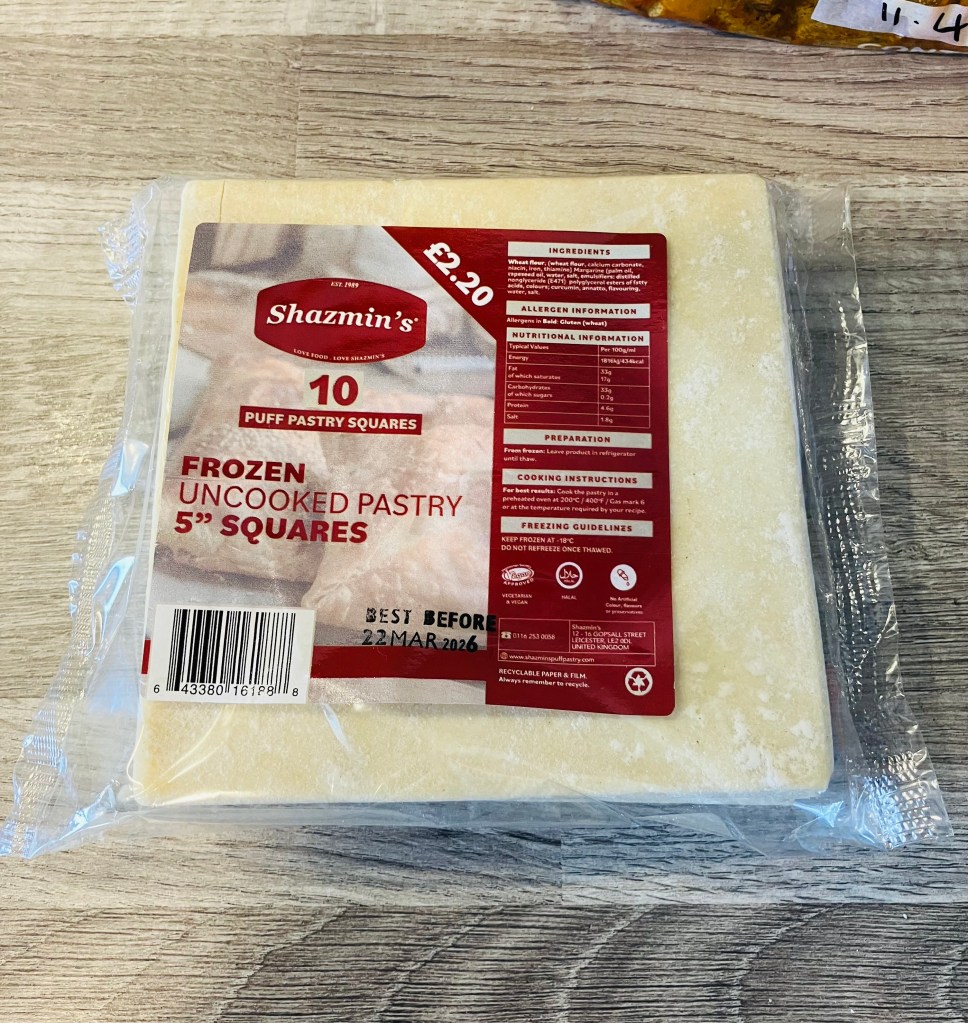
1 block of bought puff pastry
Flour for dredging/rolling pastry super thin
For the filling (chop finely):
1 large brown onion
2-4 green chillies depending on how hot you like it
lemon juice
Method
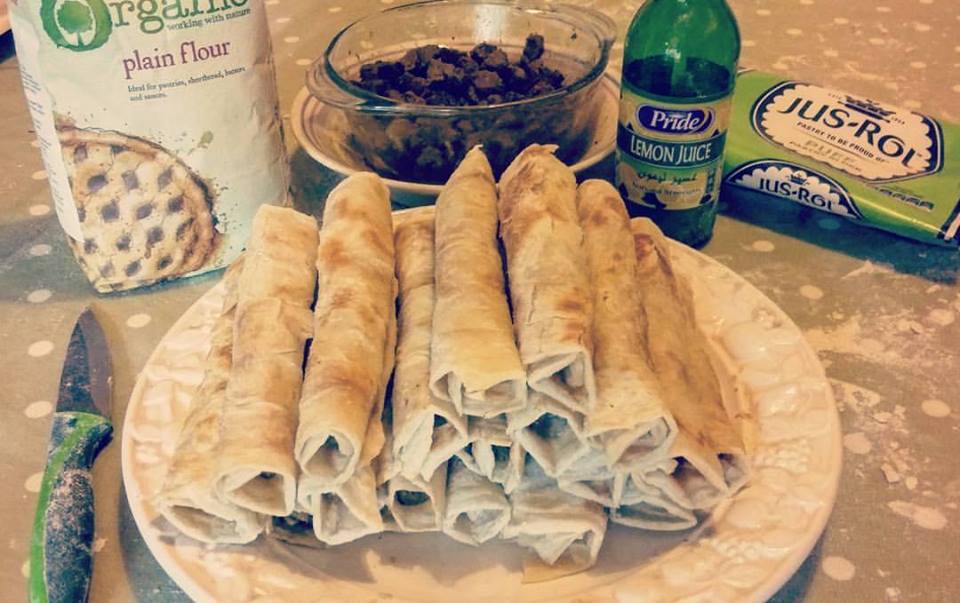
This process will benefit from a cook with military/factory line experience. Use a rolling pin you are comfortable with. Mum preferred a narrow stick, I love a fat drum with handles:
- Cook the marinated meat at 200 degrees C for about 30/45 minutes until burnished but not too dry. Stir the meat a few times during the cooking process. Allow to cool but not completely before you use a spoonful at a time to fill your rotis.
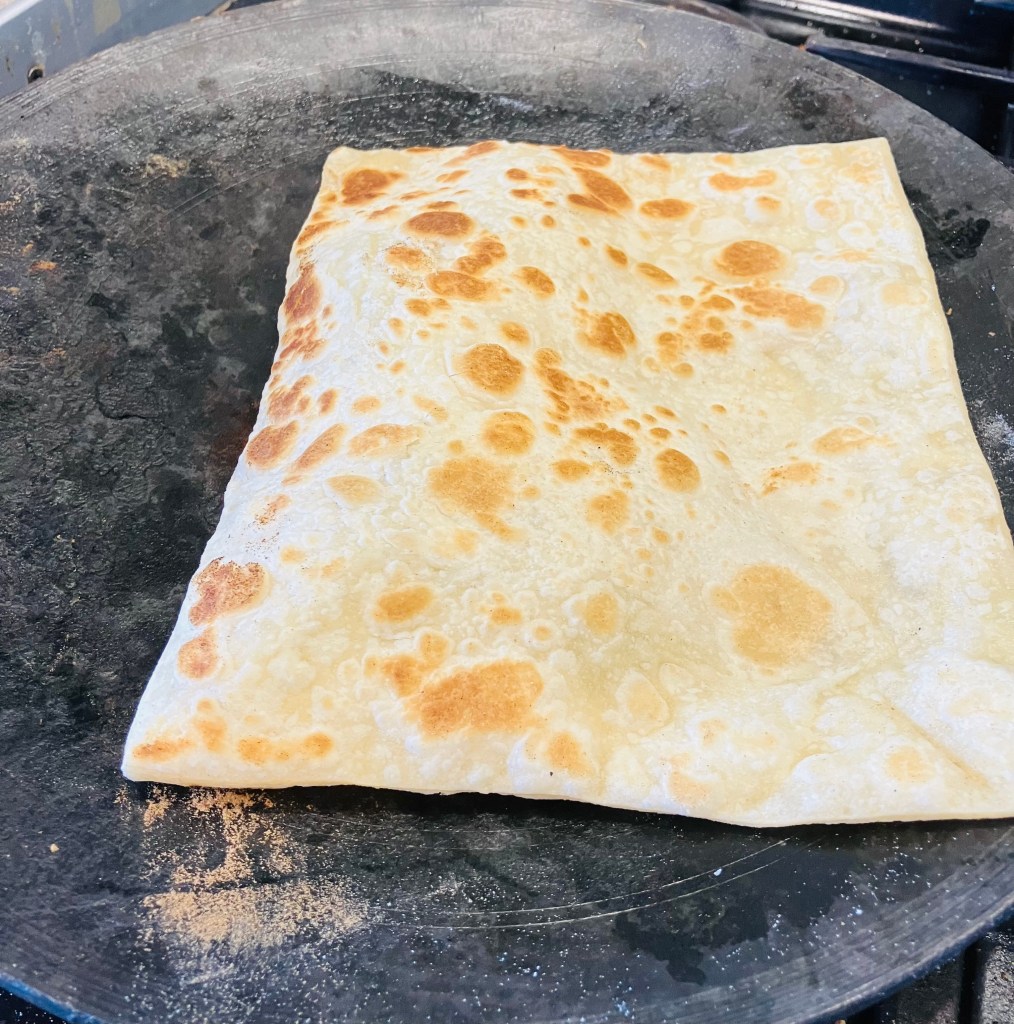
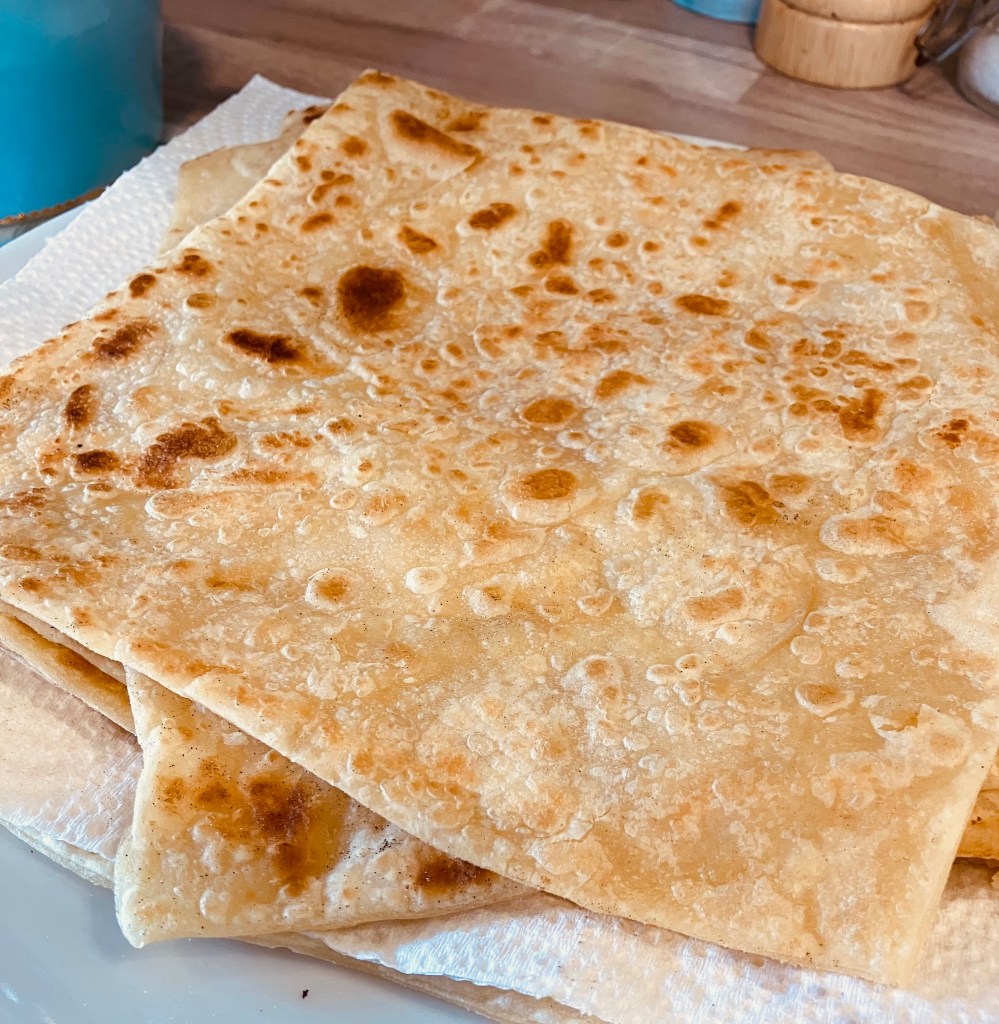
- Roll your rotis thin enough that they won’t split yet robust enough to not crisp up in the pan. You also need to be prepared to roll and watch the frying pan at the same time, which is quite stressful! Have a few rolled before you start, but not so many that they dry out. Carefully place one roti at a time into a dry frying pan over a medium heat and then get rolling the next ones as each cooks. There’s enough fat in the pastry. You have to judge the heat as you would making pancakes: too hot and they brown/crisp too quickly, too cool and they crisp due to the length of time exposed to the heat. Remember that the area of the roti will reduce with the heat so try to be fleet handed. Use the rolling pin to transfer the roti from the table to the pan. Don’t let the cooked rotis cool so much that they become unwieldy nor be too hot so the meat/juice seeps into the roti. You can stack the cooked rotis while you crack on with filling them one at a time.
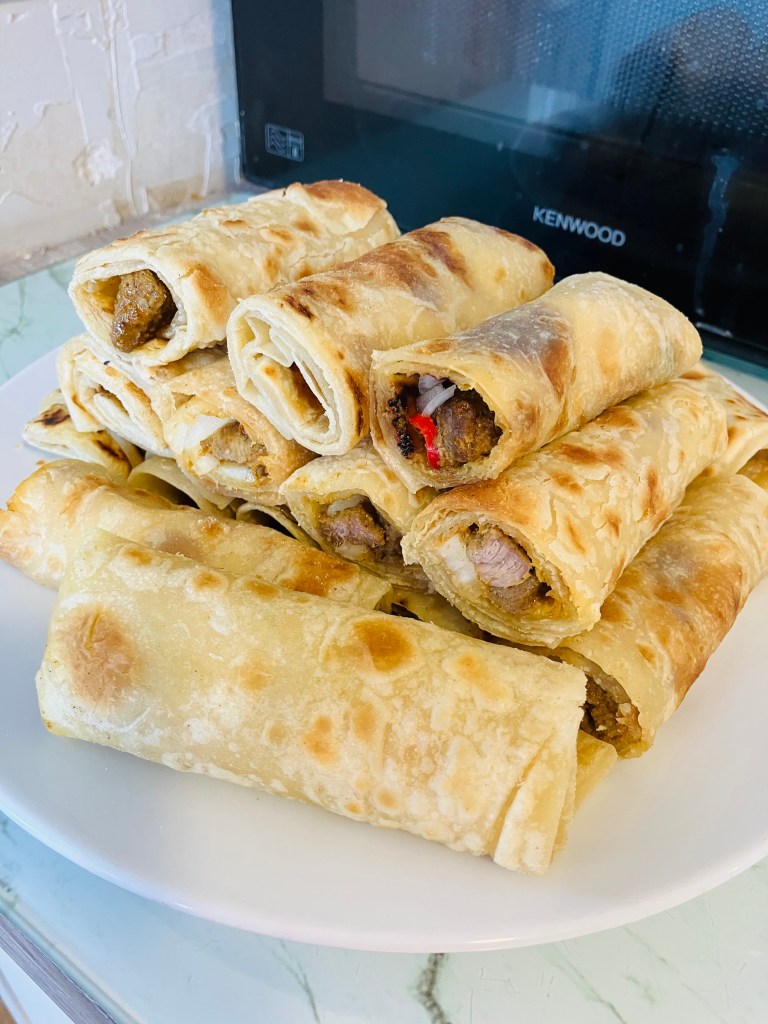
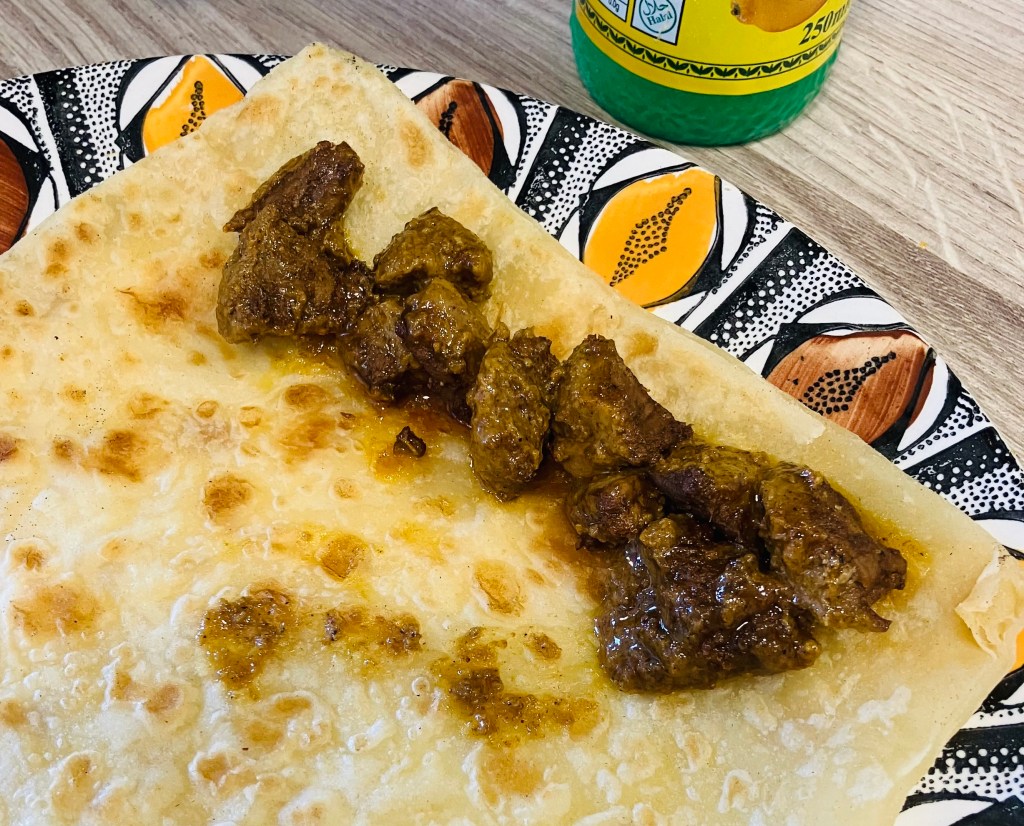
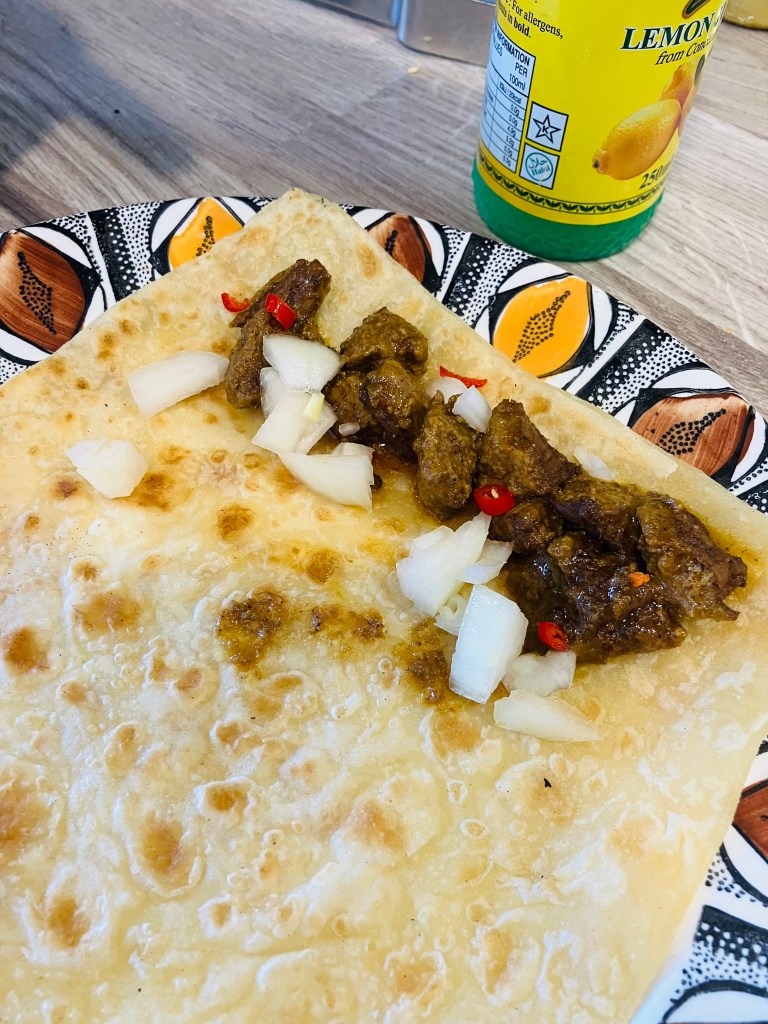
- Have your chopped mixture of onions and chilli in a bowl ready and your bottle of lemon juice (I’ve never tried using real lemons!) next to that. Place a cooled (but not too cool!) roti on a plate; spoon your cooled (but not too cool!) meat in a line across the top; spoon some onions/chilli on top of the meat and douse the line with lemon juice (the more the merrier). Roll into a tight double open-ended wrap and place on a clean plate (or onto a large sheet of tin foil if you are freezing them). Repeat until all rotis are filled. At this point they should be cool enough to freeze (and freeze they will beautifully – all you need to do to defrost them is put them into the fridge for a few hours) or consume immediately, whatever. I prefer putting them straight in the fridge and letting the flavours combine. The chilli loses some heat and the tanginess gets through to the meat. We always eat ours cold!


 Cookanana